
The Performance of Normality
Mr. & Mrs. SmithThe Smiths’ suburban personas conceal professional violence, while the gradual collapse of that performance exposes the cost of dividing life into separate roles.
increasing Bearing strength in each event
 decreasing
Bearing strength in each eventdecreasingThe Perfect Couple Image

The Perfect Couple Image
Public harmony
Neighbors see Jane and John as attractive, polite, successful spouses. They arrive at parties together and maintain the gestures expected of an ideal couple.
Private absence
Their public image masks separate schedules, hidden work, and an increasingly empty marriage. The performance succeeds socially precisely because neither spouse asks the other to reveal much.
The Double Professional Life
The Double Professional Life
Work hidden in routine
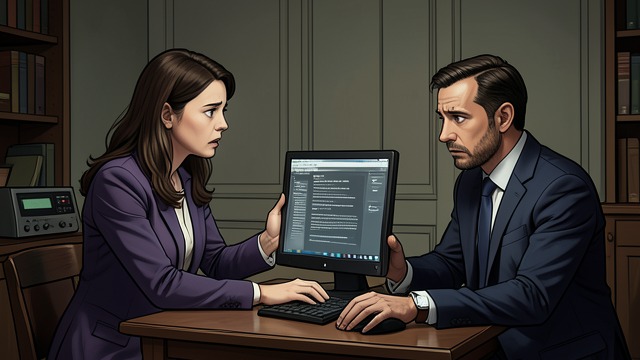
Jane explains night calls as IT emergencies, while John attributes travel to construction projects. Their professions provide plausible stories for absences and unexplained fatigue.
Separate worlds at home
The couple protects their covers even from each other. Their marriage becomes one more system for managing secrecy rather than a place where their identities can meet.
The Party and the Baby
The Party and the Baby
Ordinary expectations
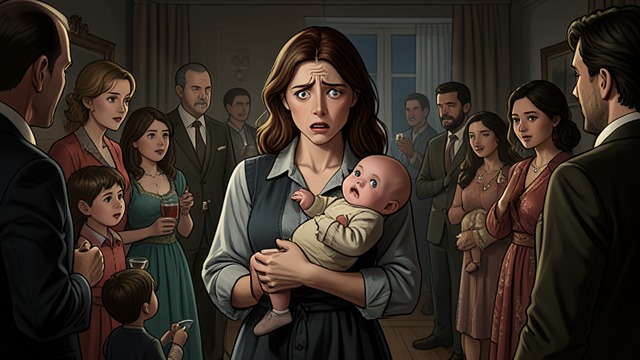
At a neighborhood party, Jane is surrounded by people whose concerns center on children and domestic life. Their assumptions make her hidden occupation and childlessness feel especially distant from the role she performs.
A moment of recognition
Holding a baby briefly awakens tenderness and fear. The scene shows how the normal life Jane imitates can still reach her emotionally, even when she believes she has chosen to remain outside it.
The Masks Removed
The Masks Removed
Familiar phrases transformed
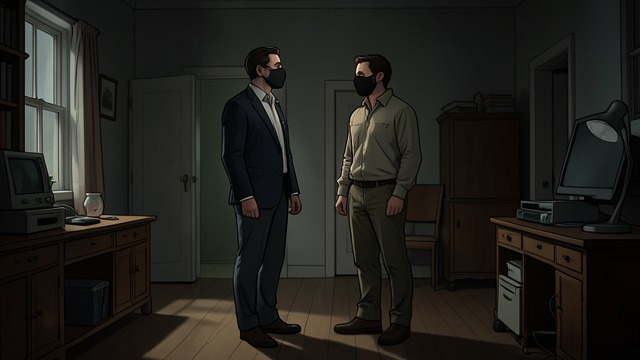
Questions about work and dinner become tactical probes once Jane and John know their identities. Their respectable household continues to look ordinary, but the couple can no longer inhabit it innocently.
Performance exposed
Each recognizes that the other’s job, travel, and habits have been part of a cover. The discovery reveals that normality did not protect their marriage; it helped keep them strangers.
After the Facade
After the Facade
No conventional return
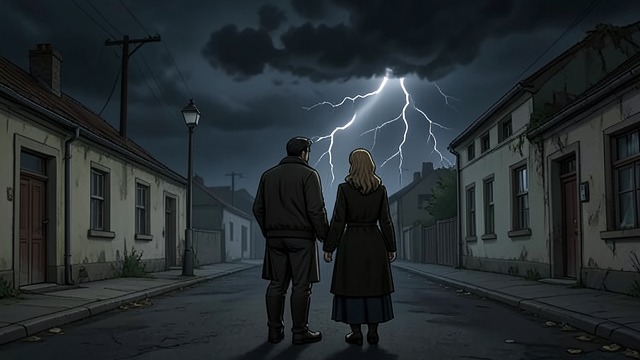
The house and agencies are gone as sources of stability. Jane and John cannot resume the suburban arrangement that once organized their lives.
A less divided identity
They imagine a future that combines danger, work, intimacy, and ordinary aspirations without demanding a perfect cover. Their new life remains uncertain but no longer depends on pretending to be someone else at home.
At neighborhood gatherings
During their established marriage
During an evening at the Colemans’ home
At the dinner revelation
Following the destruction of the residence
